Discover the Secrets of Pistachio Tree Pollination
Mastering Pistachio Pollination for Optimal Yields
Unlock the full potential of your pistachio orchard by understanding the intricate process of pollination. Learn the key factors that influence successful pollination and best practices to ensure a bountiful harvest.
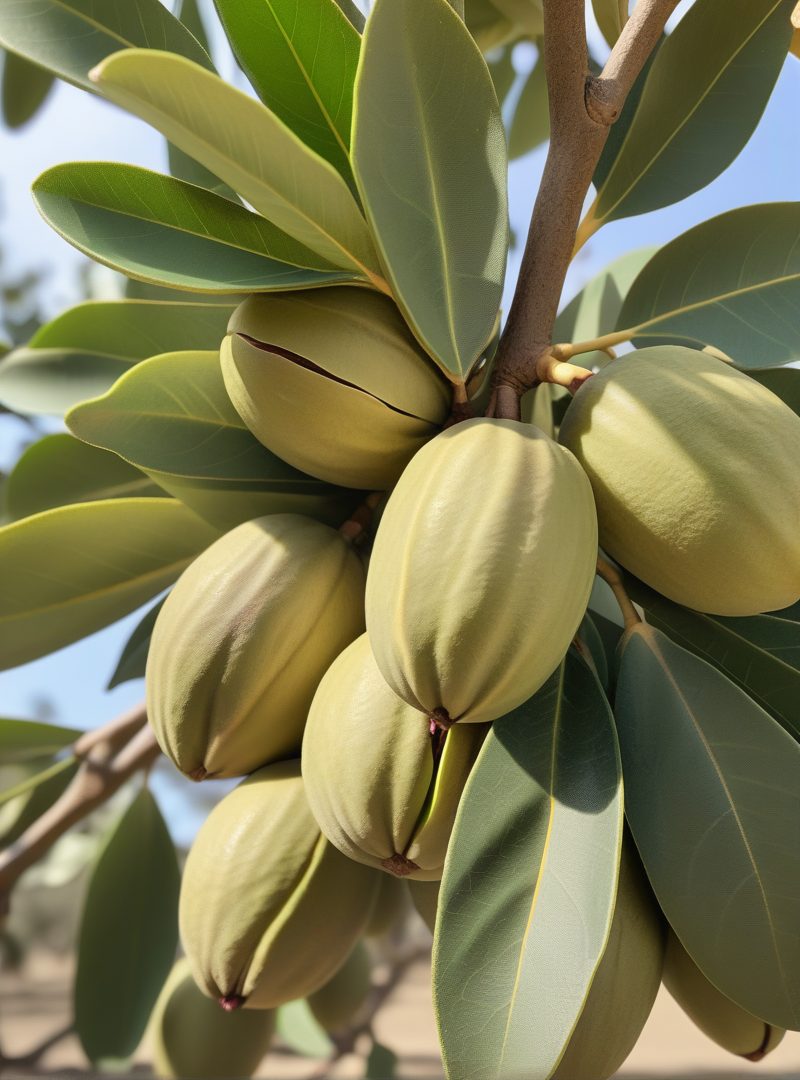
Comprehensive Guide to Pistachio Tree Pollination
Pistachio tree pollination is a critical process that directly impacts the yield and quality of your harvest. The pollination process involves the transfer of pollen from the male trees to the female trees, which is primarily facilitated by wind. Factors such as tree spacing, wind patterns, and the timing of pollen release play significant roles in successful pollination.
Ensuring optimal pollination requires careful planning and management. Key factors to consider include:
- Tree Spacing: Proper spacing between male and female trees ensures effective pollen transfer.
- Wind Patterns: Understanding local wind patterns can help in strategically planting trees to maximize pollination.
- Pollen Viability: Monitoring the viability of pollen can help in determining the best time for pollination.
Best practices for successful pollination include regular monitoring of tree health, ensuring adequate water and nutrient supply, and implementing pest control measures to protect the trees during the pollination period.
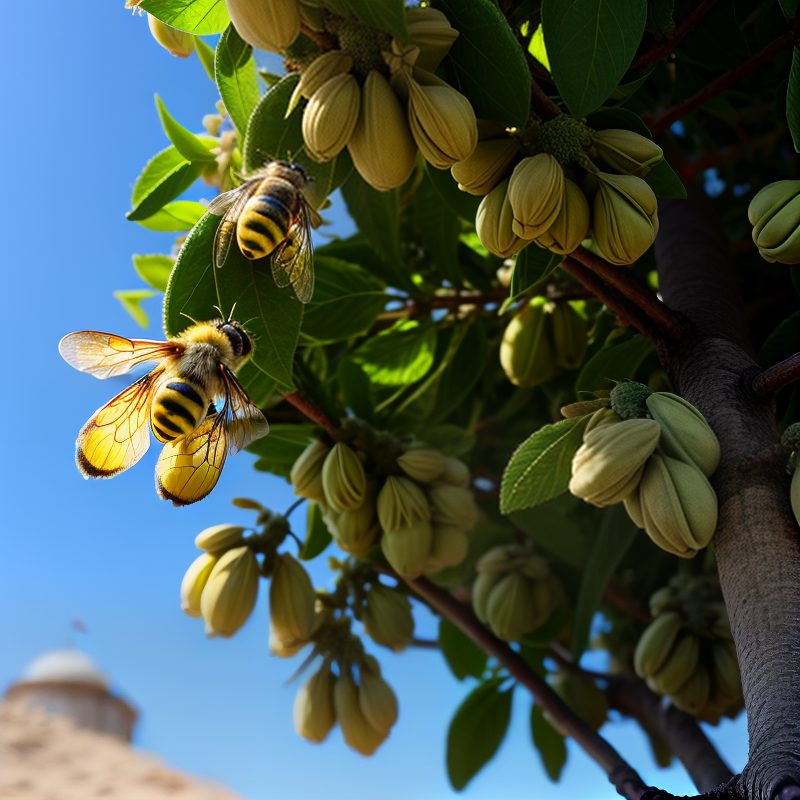
Step-by-Step Guide to Growing Pistachio Trees
Follow these steps to successfully grow pistachio trees from nuts and ensure a thriving orchard.
1
Planting the Nuts
Start by selecting high-quality pistachio nuts. Soak them in water for 24 hours before planting them in well-draining soil. Ensure the nuts are planted at a depth of about 1 inch and spaced adequately to allow for growth.
2
Soil Preparation
Prepare the soil by ensuring it is well-draining and rich in organic matter. Test the soil pH and adjust it to a range of 7.0 to 7.8, which is ideal for pistachio trees. Incorporate compost or well-rotted manure to improve soil fertility.
3
Watering
Water the young pistachio trees regularly, ensuring the soil remains moist but not waterlogged. As the trees mature, reduce the frequency of watering, allowing the soil to dry out slightly between waterings to promote deep root growth.
4
Fertilization
Fertilize the pistachio trees with a balanced fertilizer during the growing season. Apply nitrogen-rich fertilizer in early spring and a phosphorus and potassium-rich fertilizer in late summer to support fruit development.
Optimal Growing Conditions
Pistachio Tree Cultivation
Pistachio trees require specific growing conditions to thrive and produce high yields. The location is paramount, as pistachios flourish in regions with hot, dry summers and cool winters. Ideal climates include Mediterranean-type environments, where temperatures can range from 25°C to 35°C during the growing season. Soil type is another critical factor; pistachio trees prefer well-drained, sandy loam soils with a pH between 7.0 and 7.8. Proper irrigation is essential, especially during the dry months, to ensure the trees receive adequate moisture without waterlogging the roots. Regular monitoring and maintenance of soil health, including organic matter and nutrient levels, contribute significantly to the successful cultivation of pistachio trees.
In addition to climate and soil, the location should be free from strong winds and frost, which can damage the trees and affect pollination. A well-planned irrigation system, such as drip irrigation, helps manage water usage efficiently and supports the trees during critical growth stages. By selecting the right location and maintaining optimal soil conditions, growers can ensure a healthy and productive pistachio orchard.
Propagation and Pollination Techniques
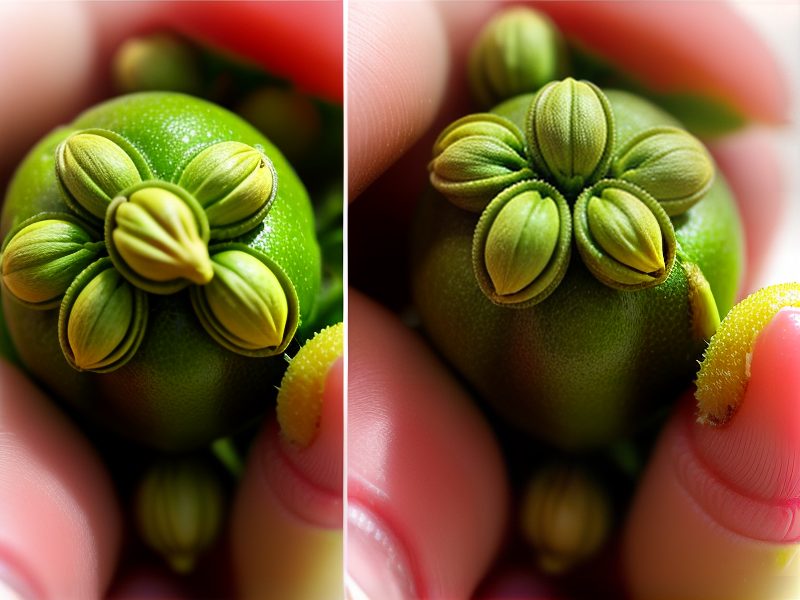
Grafting Method
Grafting is a widely used method for propagating pistachio trees, involving the joining of a scion from a desired variety to a rootstock. This technique ensures genetic consistency and can lead to earlier fruit production compared to seed propagation.
Seed Propagation
Budding Method
Hand Pollination
Natural Pollination
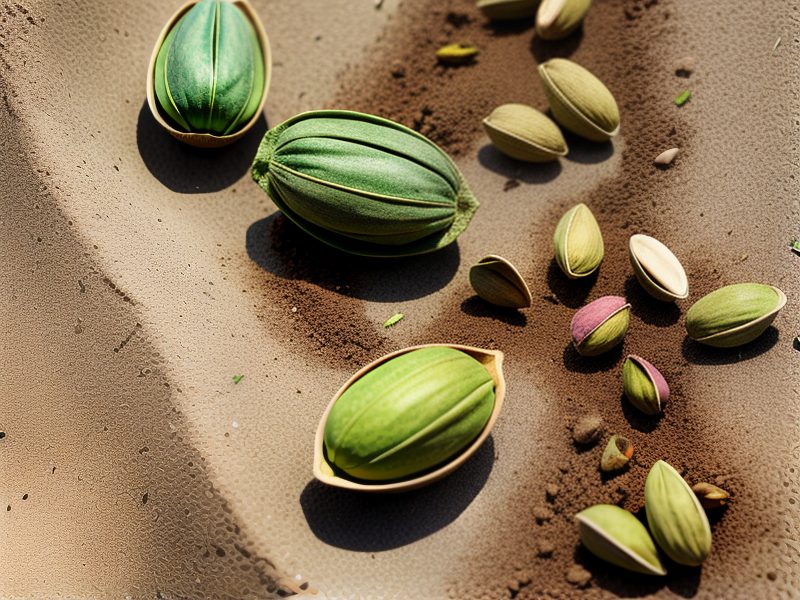
Budding Method
Budding involves inserting a bud from a desired pistachio variety into a rootstock. This method is less labor-intensive than grafting and can be highly effective, although it may take longer for the trees to mature and bear fruit.
Grafting Method
Hand Pollination
Natural Pollination
Seed Propagation
Soil Preparation and Conditions
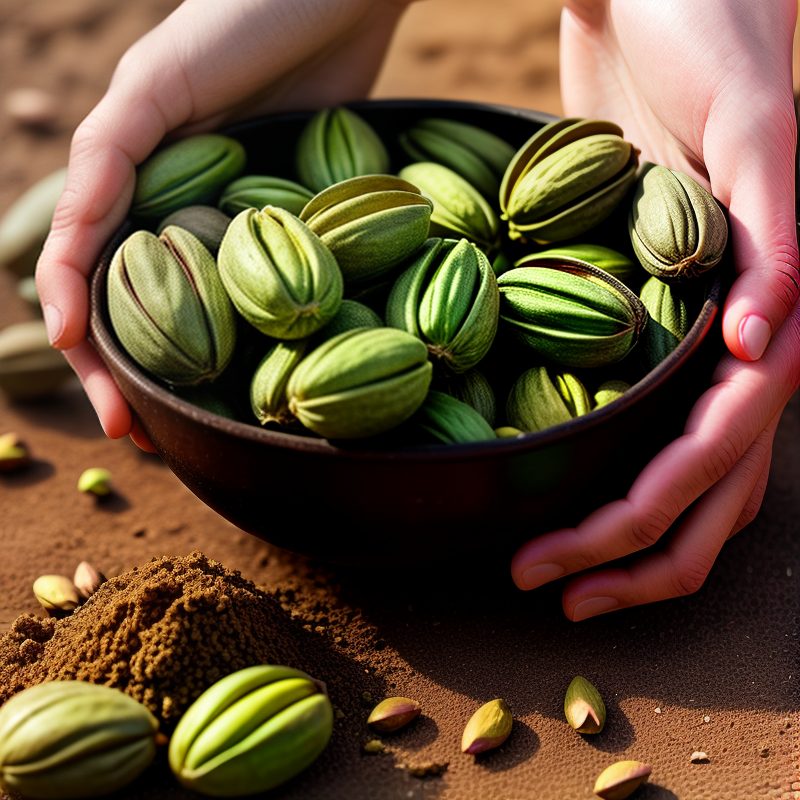
Pistachio Tree Soil Gallery
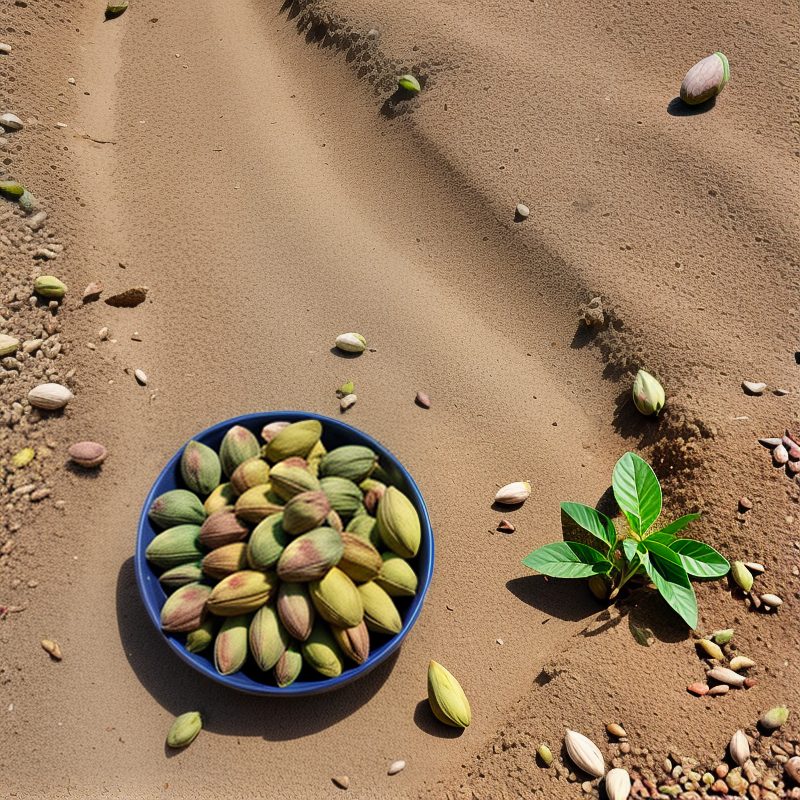
Best Practices for Planting Pistachio Trees
No Results Found
The page you requested could not be found. Try refining your search, or use the navigation above to locate the post.
Wholesale Pistachio Pricing
Basic Plan
Ideal for Small Growers- Price: $5,000 per ton
- Minimum Order: 1 ton
- Includes: Standard Quality Pistachios
- Delivery: 30 days
- Support: Email Support
Premium Plan
Best for Large Scale Operations- Price: $4,500 per ton
- Minimum Order: 5 tons
- Includes: High-Quality Pistachios
- Delivery: 20 days
- Support: 24/7 Phone Support
- Additional Services: Free Consultation
Enterprise Plan
Perfect for Exporters- Price: $4,000 per ton
- Minimum Order: 10 tons
- Includes: Premium Quality Pistachios
- Delivery: 15 days
- Support: Dedicated Account Manager
- Additional Services: Custom Packaging
Common Questions About Pistachio Cultivation
How do I manage pests in my pistachio orchard?
Effective pest management involves regular monitoring, using organic pesticides, and introducing natural predators to control pest populations.
What are the common diseases affecting pistachio trees?
Common diseases include Verticillium wilt, Botryosphaeria panicle and shoot blight, and Alternaria late blight. Regular inspections and appropriate fungicide applications can help manage these diseases.
How can I maximize my pistachio yield?
Maximizing yield involves proper irrigation, balanced fertilization, timely pruning, and ensuring effective pollination. Regular soil testing and adjusting nutrient applications based on results are also crucial.
What is the best time to plant pistachio trees?
The best time to plant pistachio trees is during the dormant season, typically in late winter or early spring, to ensure they establish well before the growing season.
How do I ensure successful pollination of pistachio trees?
Ensure successful pollination by planting male and female trees in the right ratio, typically one male for every eight to ten female trees, and ensuring they are within proximity for effective pollen transfer.
What soil conditions are ideal for pistachio trees?
Pistachio trees thrive in well-drained, sandy-loam soils with a pH between 7.0 and 8.0. Avoid heavy clay soils and ensure good drainage to prevent root diseases.
How often should I water my pistachio trees?
Water pistachio trees deeply but infrequently, allowing the soil to dry out between watering. This encourages deep root growth and helps the trees withstand drought conditions.
What are the key factors affecting pistachio tree pollination?
Key factors include the presence of compatible male and female trees, weather conditions during the pollination period, and the health of the trees. Wind is the primary pollinator for pistachios, so ensuring good airflow is also important.
How do I prune pistachio trees for optimal growth?
Prune pistachio trees during the dormant season to remove dead or diseased branches, improve air circulation, and shape the tree for better sunlight penetration. Proper pruning promotes healthy growth and higher yields.
Stay Updated on Pistachio Pollination
Unlock the secrets to successful pistachio tree pollination. Subscribe to our newsletter for expert tips, latest research, and best practices to maximize your orchard’s yield. Don’t miss out on essential updates that can transform your pistachio farming journey.